
Antimicrobial Resistance (AMR) occurs when bacteria, viruses, fungi, or parasites stop responding to medications that were once effective against them. This means common infections become harder to treat, require stronger drugs, or may last longer than usual. AMR is a growing global threat that affects not only hospitals but also routine, everyday infections we often take for granted.
What Is Antimicrobial Resistance?
Antimicrobial resistance happens when microorganisms evolve and develop the ability to withstand the drugs designed to kill them.
This includes resistance to:
- Antibiotics (bacterial infections)
- Antivirals (viral infections)
- Antifungals (fungal infections)
- Antiparasitics (parasitic infections)
Once resistance develops, standard treatments become ineffective, leading to persistent infections and increased health risks.
Key Facts About AMR
- How AMR Develops
Microbes become resistant due to:
- Overuse or misuse of antibiotics
- Not completing prescribed doses
- Self-medication
- Using antibiotics for viral infections like colds and flu
- Poor infection control in healthcare settings
- Contaminated food and water
- Overuse of antibiotics in livestock and agriculture
These actions create selective pressure, allowing only resistant microbes to survive and multiply.
- Everyday Infections Affected by AMR
AMR impacts many common infections, making them harder to treat:
- Urinary tract infections (UTIs): Increasing resistance to first-line antibiotics like ciprofloxacin or amoxicillin.
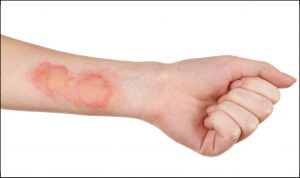
- Skin infections: Common bacteria like Staphylococcus aureus can become MRSA (Methicillin-Resistant Staph).
- Respiratory infections: Sinusitis, pneumonia and sore throat may not respond to usual antibiotics.
- Gastrointestinal infections: Resistant strains of Salmonella and E. coli are becoming more widespread.
- Ear infections in children: Often require stronger or long-course antibiotics due to resistance.
- Symptoms That May Indicate a Resistant Infection
While symptoms are similar to typical infections, you may suspect resistance if:
- Infection doesn’t improve after 2–3 days of antibiotics
- Symptoms return soon after treatment
- Fever or pain increases despite medication
- Multiple antibiotics are needed for recovery
These signs often require medical evaluation and lab testing.
How Doctors Detect Antimicrobial Resistance
Several diagnostic tools help identify resistant organisms:
- Culture and Sensitivity Test
A sample (blood, urine, sputum, wound swab) is cultured to identify the microbe. Then antibiotics are tested to determine which ones work.
- Molecular Tests (PCR)
These detect resistance genes directly, quick and highly accurate.
- Rapid Diagnostic Kits
Used for specific organisms like MRSA, tuberculosis, or resistant UTIs.
These tests help doctors choose the right medication instead of trial-and-error prescribing.
Consequences of AMR
Unchecked antimicrobial resistance leads to:
- Longer illness durations
- Recurrent infections
- Higher medical costs
- Increased hospital stays
- Limited treatment options
- Increased risk of complications or death
It also threatens routine procedures like surgeries, chemotherapy, and organ transplants, where effective antibiotics are critical.
How You Can Prevent AMR
Preventing AMR requires small, everyday actions:
- Avoid self-medication and OTC antibiotic use.
- Take antibiotics only when prescribed and complete the full course.
- Never use leftover antibiotics.
- Maintain good hygiene—handwashing reduces infection transmission.
- Vaccinate regularly to reduce infection risk.
- Use antibiotics responsibly in pets and livestock (for farmers).
- Consume properly cooked food and clean drinking water.
These choices help slow the spread of resistant microorganisms.
Antimicrobial resistance is not a distant threat—it affects the everyday infections that people commonly experience. With responsible antibiotic use, improved hygiene and timely diagnosis, we can slow the rise of resistance and protect the effectiveness of life-saving medications