
Sleep is essential for the body’s repair, recovery and overall well-being. When you don’t get enough rest, it’s not just fatigue that sets in—your hormones also go out of balance. Hormones are chemical messengers that regulate everything from metabolism and stress response to appetite, mood and reproductive health. Chronic sleep deprivation can throw this delicate system off, leading to several health problems. Here’s how lack of sleep affects hormonal balance:
- Increases Cortisol (The Stress Hormone)
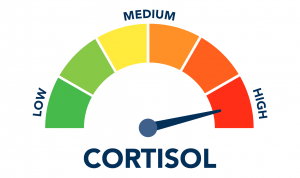
When you are sleep-deprived, your body produces more cortisol. Elevated cortisol levels keep your body in a constant “fight-or-flight” mode, leading to stress, anxiety, weight gain (especially around the belly) and impaired immunity.
- Disrupts Insulin Regulation
Sleep loss makes your body less sensitive to insulin, the hormone that helps regulate blood sugar. As a result, glucose stays in the bloodstream longer, increasing the risk of insulin resistance, type 2 diabetes and weight gain.
- Reduces Leptin and Increases Ghrelin (Hunger Hormones)
Leptin signals your brain when you’re full, while ghrelin stimulates hunger. Lack of sleep lowers leptin and raises ghrelin, making you feel hungrier and more likely to crave high-calorie, sugary foods. Over time, this imbalance can contribute to obesity.
- Affects Growth Hormone Production
Growth hormone is essential for tissue repair, muscle growth and overall recovery. Since most of it is released during deep sleep, sleep deprivation significantly reduces its production, leading to slower healing, reduced athletic performance and premature aging.
- Alters Reproductive Hormones
For women, poor sleep can disrupt estrogen and progesterone levels, affecting menstrual cycles and fertility. For men, lack of sleep lowers testosterone levels, reducing energy, mood and reproductive health.
- Impacts Thyroid Function
Sleep deprivation may reduce thyroid-stimulating hormone (TSH) levels, interfering with thyroid balance. This can result in fatigue, sluggish metabolism and difficulty managing weight.
- Weakens Melatonin Secretion
Melatonin, the “sleep hormone,” regulates your sleep-wake cycle. Inconsistent or insufficient sleep suppresses melatonin, leading to insomnia, poor sleep quality and further disruption of other hormonal systems.
Conclusion
Sleep is not just about rest—it’s one of the most powerful regulators of your hormones. Without enough quality sleep, cortisol spikes, appetite hormones misfire and reproductive, thyroid and metabolic functions suffer. Prioritizing 7–9 hours of good-quality sleep each night is one of the simplest yet most effective ways to keep your hormones balanced and your overall health in check.