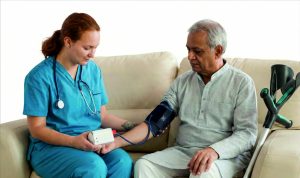
As we grow older, our bodies naturally undergo changes—one of the most concerning yet often overlooked is sarcopenia, the gradual loss of muscle mass, strength, and function. This silent condition usually begins after the age of 40 and progresses faster after 60, increasing the risk of weakness, falls and reduced independence. The good news is that sarcopenia can be prevented and even managed with the right lifestyle choices. Here’s what you need to know:
1. Why Sarcopenia Happens
Age-related hormonal changes, reduced physical activity, and lower protein intake contribute to muscle loss. Chronic illnesses and prolonged bed rest can speed up the process. Without intervention, muscle deterioration becomes more noticeable over time.
2. Signs and Symptoms
Sarcopenia often develops silently, but some early signs include:
• Reduced strength and stamina
• Difficulty climbing stairs or carrying groceries
• Slower walking speed
• Frequent fatigue or weakness
• Increased risk of falls and fractures
3. Impact on Health
Loss of muscle mass doesn’t just affect mobility—it also impacts overall health. Sarcopenia can lead to poor balance, reduced metabolism, weight gain, insulin resistance and a higher risk of chronic diseases like diabetes and heart disease.
- Importance of Protein-Rich Diet
Protein is the building block of muscle. Older adults need more protein than younger people to maintain muscle mass. Include foods like lean meats, fish, eggs, dairy, beans, lentils, and nuts in daily meals. Pairing protein with regular physical activity gives the best results.
- Role of Exercise
Strength training and resistance exercises are the most effective ways to combat sarcopenia. Activities such as weightlifting, resistance band workouts, yoga and bodyweight exercises (like squats and push-ups) help preserve and rebuild muscle. Even walking and light aerobic activities support overall strength and endurance.

- Vitamin D and Calcium Support
Vitamin D deficiency is common with age and can worsen muscle weakness. Ensuring adequate Vitamin D and calcium through sunlight exposure, diet, or supplements can improve muscle and bone health.
- Regular Health Check-Ups
Sarcopenia can sometimes be linked with underlying health issues such as hormonal imbalance or chronic disease. Regular medical check-ups and early screening help in timely management and prevention.
Conclusion
Sarcopenia is a natural part of aging, but it doesn’t have to steal your strength and independence. With a balanced diet, regular strength-focused exercise and proper medical care, muscle loss can be slowed down significantly. Prioritizing muscle health today ensures a stronger, more active and healthier life in the years to come.