What Are Varicose Veins?
Varicose veins occur when the veins become enlarged and twisted due to poor blood flow. Veins are responsible for carrying blood back to the heart, but sometimes they can weaken or stretch, causing blood to pool and the veins to bulge. Varicose veins are typically blue or dark purple and are most commonly found in the legs due to the pressure of standing and walking.
Causes of Varicose Veins
- Age: As we age, the valves in our veins can weaken and lose their elasticity. This makes it harder for blood to flow properly and increases the likelihood of varicose veins.
- Genetics: Family history plays a significant role. If your parents or grandparents had varicose veins, you are more likely to develop them.
- Hormonal Changes: Hormonal changes during pregnancy, menopause, or due to birth control can cause the veins to relax and become more prone to varicosity.
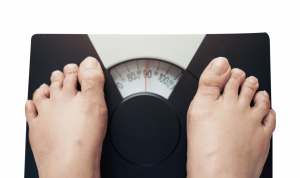
- Obesity: Extra weight can place added pressure on the veins, leading to the weakening of the valves.
- Prolonged Sitting or Standing: Jobs or activities that require standing or sitting for long periods can hinder blood flow and contribute to the development of varicose veins.
Preventing Varicose Veins
While genetics and age cannot be controlled, there are steps you can take to prevent varicose veins or slow their progression:
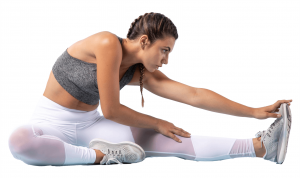
- Exercise Regularly: Physical activities like walking and swimming helps improve circulation and strengthens the muscles in your legs, reducing pressure on the veins.
- Elevate Your Legs: Elevating your legs when resting can help reduce swelling and improve circulation. Make a habit of raising your legs above your heart several times a day.
- Wear Compression Stockings: These specialized stockings help to apply pressure to the legs, which promotes better blood flow and prevents blood from pooling in the veins.
- Maintain a Healthy Weight: Staying at a healthy weight reduces the strain on your veins and lowers the risk of developing varicose veins.
- Avoid Long Periods of Standing or Sitting: If your job requires prolonged sitting or standing, take breaks to walk around and stretch. This can improve circulation and reduce the pressure on your veins.
- Eat a Healthy Diet: A diet rich in fiber, antioxidants and flavonoids can help improve vein health and reduce inflammation.
Treatments for Varicose Veins
- Lifestyle Changes: For many individuals, lifestyle changes like exercise, weight loss, and wearing compression stockings can alleviate symptoms and prevent the condition from worsening.
- Sclerotherapy: This minimally invasive procedure involves injecting a solution into the affected veins, causing them to collapse and fade away over time. It’s effective for smaller veins and can be done in an outpatient setting.
- Laser Treatment: Laser therapy uses concentrated light to target and close off affected veins. This is a non-invasive treatment option that doesn’t require incisions.
- Endovenous Laser Therapy (EVLT): This treatment uses laser energy to seal off varicose veins. A small incision is made and a catheter is inserted into the vein, delivering heat to close the vein.
- Surgical Intervention: In more severe cases, surgery may be necessary to remove the varicose veins. This is typically reserved for cases where other treatments haven’t been effective.
- Vein Stripping and Ligation: In this surgical procedure, the damaged veins are tied off and removed. This is less commonly performed today, as less invasive treatments have become more popular.